


Research
We use multidisciplinary techniques combining single-molecule to cell imaging, biochemistry and synthetic biology to study the dynamics and mechanisms of molecular assemblies that drive biological processes.
Chromosome organization and bacterial cell division
We are interested in understanding how bacteria, despite their small size and lack of obvious cytoskeleton, are able to spatially organize genomic DNA and proteins to specific locations in the cell. These bacterial positioning systems form distinctive patterns within the cells, and are involved in important cellular functions such as chromosome segregation, cell division and motility.
Tau protein assembly and aggregation
Tau protein aggregates play a key role in the pathology of a range of neurodegenerative diseases. We are interested in finding out the mechanisms of Tau self-assembly and aggregation processes leading to the pathology of Alzheimer's. This will help to develop new dementia therapeutics and diagnostics for early intervention.

Bacterial cell division

Chromosome Dynamics

Cell-free reconstitution

Single-molecule microscopy
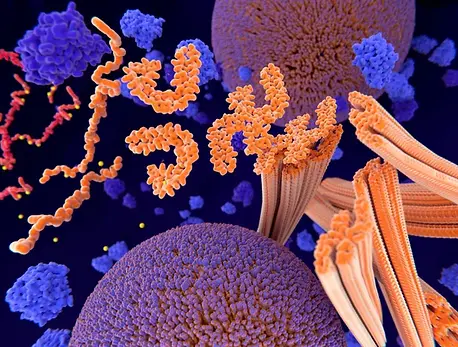
Tau protein aggregation

Ling Chin Hwang
Principal Investigator
Ling started as a Lecturer at University of Sheffield and is currently a Senior lecturer at Anglia Ruskin University School of Medicine.
Contact
Dr. Ling Chin Hwang
Anglia Ruskin University
Schools of Medicine & Allied Health
Faculty of Health, Education, Medicine and Social Care
Bishop Hall Lane, Chelmsford, CM1 1SQ

Collaborators


Funding


